





Set within the Western Ghats above Khadakwasla Lake, Swastik opened in November 2024, calling itself India's first regenerative wellbeing sanctuary. Its founder, Dr. Nitin Nyati, built it after turning 60, saying he wanted to give back in a way that truly mattered. Director Anushree Nyati, a designer and entrepreneur, shaped much of its look and feel alongside him. Between them, the sanctuary reads less like a hospitality venture than a personal, late-career project, one where architecture and land are treated as instruments of healing rather than simply a backdrop for a stay.
Swastik describes itself as India’s first regenerative wellbeing sanctuary, built not to help guests unwind but to help the body repair, restore, and regenerate. Every stay starts with diagnostics and a one-on-one consultation, before a single treatment gets booked. From there, guests move into one of two tracks: preventive programmes such as Stress and Emotional Balance, Digital Detox, and Ayurveda Panchakarma, or condition-specific ones such as Diabetes Care, Cardiac Wellness, and Gut Balance. Either way, what you end up doing each day is built around your body and your goals, not chosen off a shelf.
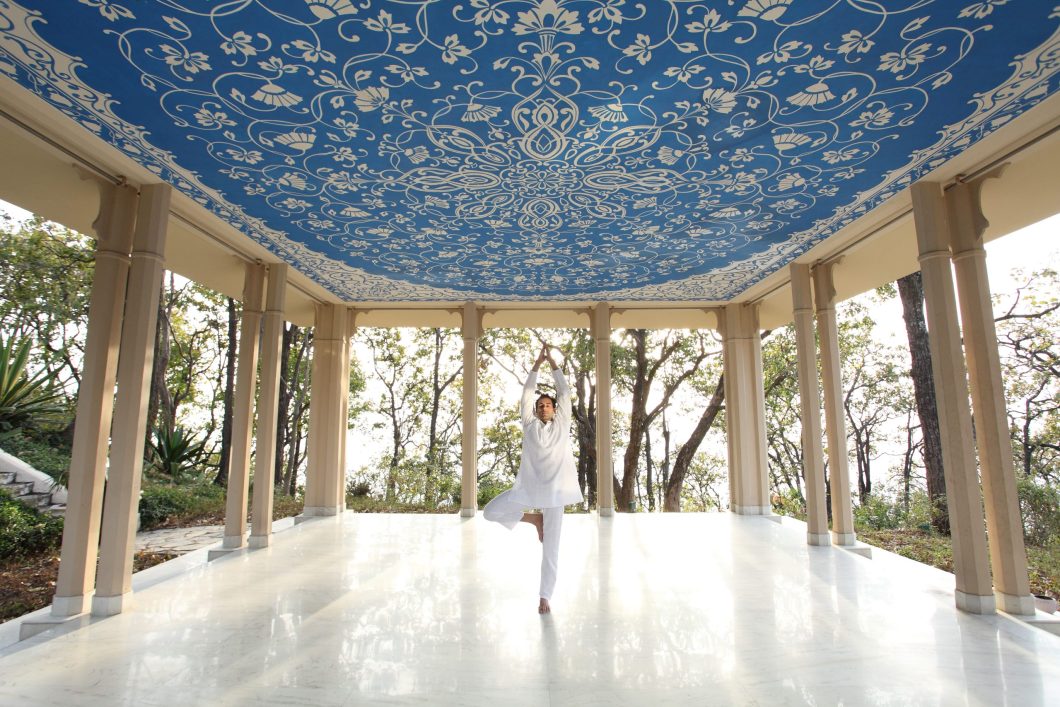
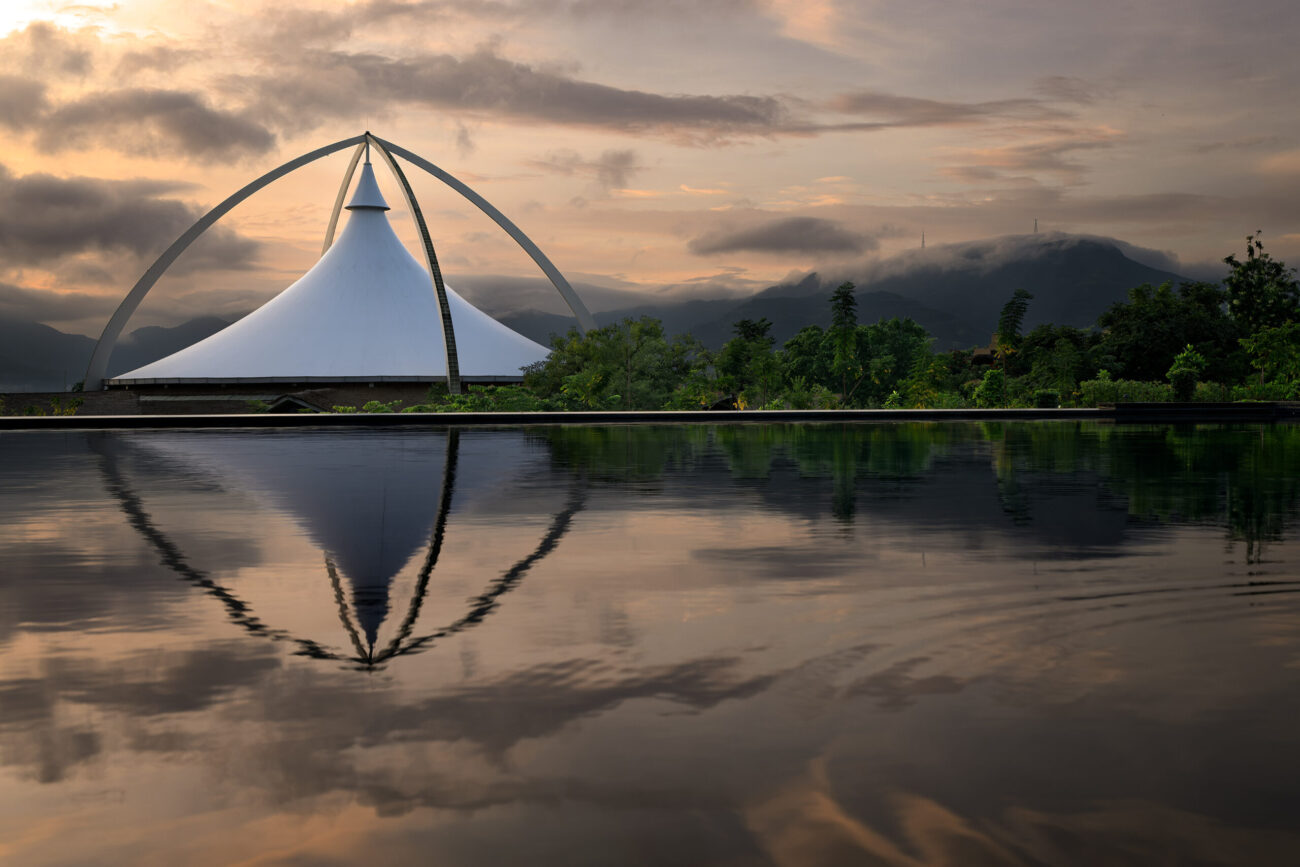
Some days you’ll be in Ayu Vihar, where Ayurveda sits alongside hydrotherapy, naturopathy, and halotherapy. Others call for the quiet of Dhyan Vihar, an 11,000-square-foot dome with no columns, built for meditation and yoga to spread out and breathe. In between, there’s Sukh Vihar’s 64 earth-integrated suites and villas, where guests actually rest, not just sleep. Meals are Sattvic and vegetarian, timed to whatever programme you’re on — alcohol, smoking, and meat aren’t part of the picture.
How much of this you feel depends on how long you stay. Two or three nights works as an introduction, enough to notice a shift without completing one. A real reset takes at least a week. A full Ayurvedic Panchakarma detox takes fourteen to twenty-one nights. Whichever you choose, you leave with more than a massage schedule: an actual sense of what your body needs, and habits you can keep once you’re home. The right length is the one that matches what you’re actually there for.
„Ancient wisdom, modern science, and 51 acres of Sahyadri forest — Swastik calls it Regenerative Wellbeing. It feels, simply, like coming home to yourself. “

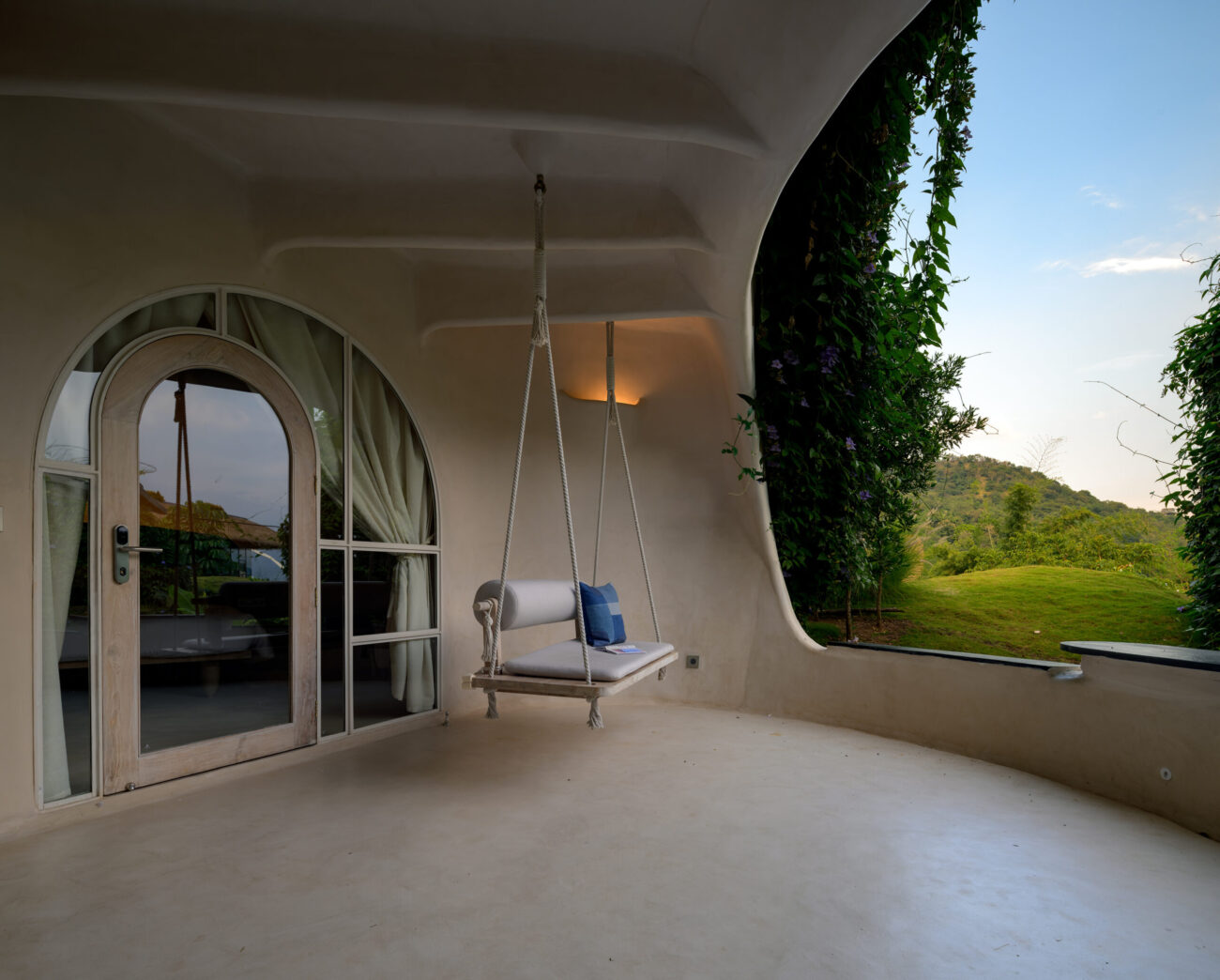
Swastik Wellbeing sits on 51 acres overlooking Khadakwasla Lake, backed by the Sahyadri hills and surrounded by roughly 7,000 acres of forest in the Western Ghats. It’s close enough to Pune for an easy transfer, but the setting still feels remote: open, quiet, folded into the landscape. The architecture was built around that feeling rather than added on top of it, drawing on natural forms and a slower, more contemplative approach to space. The clearest example is the Guhas — cave-like, womb-inspired living spaces built for privacy and quiet reflection.
Beyond the living spaces, the sanctuary splits into a handful of zones, each built around a different part of wellbeing. Ayu Vihar handles Ayurveda and other therapeutic work. Anand Vihar is built for interactive, hands-on wellbeing experiences. Utsav Vihar is the sanctuary’s cultural heart, given over to artistic and spiritual programming. Dhyan Vihar holds the Dhyan Mandir, a pillarless meditation hall spanning 11,000 square feet with a ceiling that rises to around 72 feet. There’s also a separate Sonorium for sound-based healing, with halotherapy offered alongside it. The whole layout treats architecture and landscape as a single experience. The goal is stillness and awareness, not just a nice place to stay.


Spa Facilities
Healing Therapies & Treatments


Swastik has a way of asking what your body actually needs before offering anything at all. The assessment comes first, the days grow quieter, and the treatments stop feeling like a menu. What has stayed with me most is how little the place tries to impress you.
At a glance
Your booking request is non-binding and your data will be safe with us.
Please note our privacy policy.